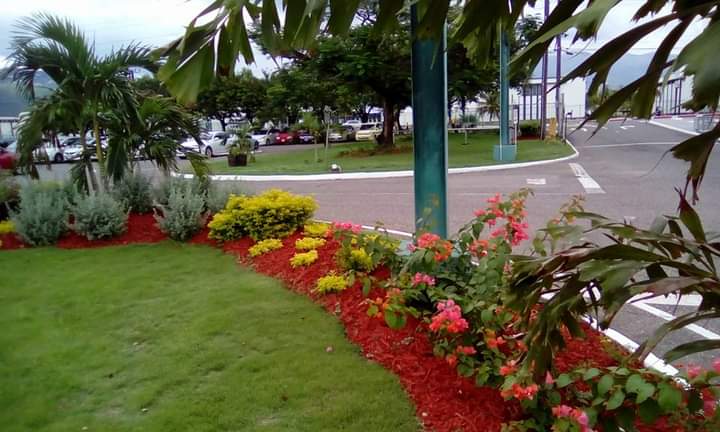
Introduction: Landscaping is more than just arranging plants and stones in an outdoor space; it’s a blend of artistry and science that transforms ordinary areas into breathtaking vistas. Whether it’s a cozy backyard retreat, a sprawling estate, or a corporate campus, landscaping has the power to enhance the beauty, functionality, and ecological balance of any outdoor environment.
- Understanding the Basics of Landscaping: Landscaping begins with a vision. It involves assessing the natural elements of a site, including soil composition, topography, climate, and existing vegetation. By understanding these factors, landscapers can create designs that harmonize with the surroundings and thrive in their specific conditions.
- Design Principles: At the heart of every successful landscaping project are design principles that guide the arrangement of elements within a space. These principles include balance, proportion, unity, rhythm, and focalization. A well-designed landscape strikes a harmonious balance between hardscape features like pathways, patios, and structures, and softscape elements such as plants, trees, and flowers.
- Creating Outdoor Living Spaces: One of the trends in modern landscaping is the creation of outdoor living spaces that extend the functionality of a property. From cozy fire pits for chilly evenings to stylish pergolas that provide shade on sunny days, these spaces blur the line between indoor and outdoor living, offering homeowners a retreat to relax and entertain year-round.
- Sustainable Landscaping Practices: In an era of environmental consciousness, sustainable landscaping practices are gaining traction. This involves using native plants that require less water and maintenance, implementing water-saving irrigation systems, and employing organic mulches and fertilizers to promote soil health. Sustainable landscaping not only conserves resources but also supports local biodiversity and reduces the carbon footprint of outdoor spaces.
- The Role of Technology: Advancements in technology have revolutionized the landscaping industry, making it easier to plan, design, and maintain outdoor spaces. From 3D modeling software that allows clients to visualize their projects before construction begins to automated irrigation systems that adjust watering schedules based on weather forecasts, technology is enhancing efficiency and sustainability in landscaping practices.
- Landscaping for Wellness: Beyond aesthetics, landscaping has been shown to have numerous health benefits. Green spaces have a calming effect on the mind, reducing stress and improving overall well-being. Additionally, incorporating edible gardens into landscaping designs promotes healthy eating habits and connects people with the source of their food, fostering a deeper appreciation for nature and sustainability.
- The Economic Value of Landscaping: Investing in landscaping not only enhances the beauty and functionality of a property but also increases its value. Well-maintained landscapes can boost curb appeal, attract potential buyers, and command higher resale prices. For businesses, attractive landscaping can attract customers, improve employee morale, and contribute to a positive brand image.
- Landscaping Trends: Landscaping trends are constantly evolving, influenced by factors such as changing lifestyles, environmental concerns, and advancements in technology. Some current trends include the use of native plants and drought-tolerant landscapes, the integration of smart irrigation and lighting systems, and the rise of low-maintenance, eco-friendly garden designs.
Conclusion: Landscaping is a dynamic and multifaceted discipline that combines art, science, and technology to create outdoor spaces that are both beautiful and functional. By embracing sustainable practices, incorporating innovative technologies, and staying abreast of emerging trends, landscapers can continue to transform ordinary landscapes into extraordinary destinations for years to come. Whether it’s a small residential garden or a vast public park, the possibilities for creativity and innovation in landscaping are endless.

Hi EcoGreen I’d like to ask for a quote for landscaping services but not sure if this comment box is the right way to ask. Why don’t you have an info@ecogreen email so that folks can reach you?
Ok thanks you.. I’ll had it to the Web
test